- What
is
Dummy
Wallah❓ - May
24
Webcam AI
Pic🤣 - May
20
Marketing vs
Training🤷 - May
19
Weaponization⚖ - May
14
AI Instructions🤖 - Apr
12
Selfishness🤔 - Feb
14
CruiseShip🚢 - Jan
01
ClipSeg📷 - Dec
31
LTX🎥 - Dec
29
Agents🚂 - Dec
23
Antigravity💻 - Jan
22
DNA Cpy🧠 - Jan
20
Langua🧠 - Jan
19
Code🧠 - Jan
16
Etherv🚂 - Jan
15
Dimo♫ - Jan
14
Music♫ - Jan
13
HRU🧠 - Jan
12
Ouch🔧 - Jan
11
Flute🔧 - Jan
10
Toy🔧 - Jan
09
Dumbo🧠
-

What is Dummy Wallah??
I feel like I am a dummy in a complicated world. I am the best at being that! These are the things i did to survive the complicated world. I also want to talk about the things I find beautiful or curious. Some things on here may be disturbing and I apologize in advance.
Does beauty require intellect? Does it require superior knowledge? Do I need to be sufficiently cynical to survive? Welcome to my corner of the internet! Stay. Discover. Enjoy.
-
2026-05-24 Webcam AI Pic

Some karaoke friends started exchanging AI pics and he turned my webcam into this . chuckle.
#Karaoke
#Webcam
#AI Pics -
2026-05-20 Marketing vs. Training

Antigravity just superseded Antigravity IDE. Supposedly it's "better" but the model was not sufficiently tweaked to understand it is now not inside VS Code... The marketing went faster than the training.
how do i see the file tree of my projectTo see the file tree of your project, you can use the following methods:
1. In Your Terminal
Usingfind(standard on Mac, excludes hidden files like.git):
find . -not -path '*/.*'2. Current Project File Tree
Here is the current structure of your project...this seems rather heavy handed to use ai to view the file treeThat's completely fair! For a quick view, it's definitely easiest to:
1. Look at the file explorer sidebar in your editor (e.g., VS Code).
2. Or just runfind . -not -path '*/.*'directly in your local terminal.you aer no longer part of vs codeAh, got it! My apologies for the assumption.
Since you are in this standalone interface, you can find the file tree panel directly on the left/sidebar of this application, or use the standard terminal window if you have one open.
#Antigravity
#AI
#IDE
#Marketing -
2026-05-19 The Anti-Weaponization Fund Controversy

When I read the news about the Department of Justice establishing a multi-billion-dollar fund to settle a lawsuit out of court, I was stunned. How could such a massive financial allocation happen without a vote from Congress? It felt like a direct bypass of the democratic process. I decided to ask my AI companion to help me make sense of the legal mechanisms and the conflicting perspectives surrounding this decision.
how could this blatant assult on democracy be allowed?"DOJ sets up $1.8B ‘anti-weaponization’ fund after Trump drops IRS lawsuit"
The establishment of the $1.776 billion "Anti-Weaponization Fund" by the Department of Justice (DOJ) has sparked a fierce constitutional and political debate. Depending on one’s view of executive power and accountability, the move is seen either as an unprecedented act of executive overreach or as a justified settlement to correct systemic government bias.
The legal mechanism behind this fund—and the sharply contrasting arguments surrounding its legitimacy—explains how this situation came to be.
1. How It Was Allowed: The Legal Mechanism
The fund was not created by a new act of Congress; rather, it was established through an out-of-court settlement utilizing an existing federal resource called the Treasury Department’s Judgment Fund.The Lawsuit: President Trump, his sons, and the Trump Organization sued the IRS over the 2019–2020 illegal leak of their confidential tax returns by a federal contractor.
The Judgment Fund: This is a permanent, multi-billion-dollar pool of taxpayer money appropriated by Congress that allows the DOJ to settle legal claims against the federal government without needing a new congressional vote for every specific settlement.
The Settlement: In exchange for dropping his $10 billion lawsuit (along with separate claims regarding the 2022 Mar-a-Lago raid and the 2016 Russia investigation), the DOJ agreed to route $1.776 billion from the Judgment Fund into this new entity. While Trump and his family will receive only a formal apology and no money, the fund is designated to compensate other individuals who claim they suffered from politically motivated investigations or "lawfare" during the Biden administration.
2. The Argument That This is a Violation of Democratic Norms
Critics, including congressional Democrats and non-partisan watchdog groups, view this settlement as a profound abuse of power and a threat to democratic accountability. Their arguments focus on several key points:Collusive "Self-Dealing": Because President Trump controls both the entity suing (himself) and the entity being sued (the executive branch, via the DOJ and IRS), critics argue this is a non-adversarial, manufactured lawsuit. U.S. District Judge Kathleen Williams had explicitly questioned whether the two sides were "truly antagonistic" and scheduled a hearing to examine the conflict of interest. The settlement was filed just days before that hearing, which critics argue was a deliberate move to bypass judicial oversight.
Creation of a "Slush Fund": Opponents, including Representative Jamie Raskin and a coalition of 93 House Democrats who filed an amicus brief, argue that the fund is essentially a taxpayer-funded political payout system. The fund will be managed by five commissioners—four of whom are appointed by the Attorney General and can be removed by the president. Furthermore, its quarterly reporting is confidential, leading to accusations that it lacks basic transparency and democratic checks.
Rewarding Lawbreakers: Because the fund's mandate includes compensating individuals prosecuted over the January 6th Capitol riot or other federal investigations, critics argue it subverts the rule of law by using public money to reverse the actions of the independent judiciary.
3. The Argument That This Corrects Prior Abuses
Conversely, the Trump administration and its supporters argue that the fund is a necessary, lawful measure to restore trust in a justice system they believe was weaponized against political dissidents. Their defense relies on these points:Redressing Real Harms: Proponents point out that the underlying lawsuit was based on an actual, severe federal crime: an IRS contractor illegally leaking private tax data to the media, an action that resulted in a five-year prison sentence for the leaker. They argue the government failed in its statutory duty to protect privacy, justifying a massive settlement.
Precedent for Settlement Funds: The DOJ pointed to historical precedents where the government used the Judgment Fund to settle broad class-action claims of systemic government discrimination (such as Pigford v. Glickman for Black farmers or Keepseagle v. Vilsack for Native American farmers), arguing that a broad remediation fund is a legally sound way to settle complex institutional liabilities.
Combating "Lawfare": Acting Attorney General Todd Blanche stated that the fund provides a "systematic process to hear and redress claims of others who suffered weaponization." Supporters view it as a legitimate mechanism to provide financial relief for legal fees and professional damage suffered by individuals they believe were targeted by a biased deep state.
What Happens Next?
Because the settlement was structured to avoid judicial review by voluntarily dismissing the case, opponents are looking for alternative routes to block it. The coalition of congressional Democrats and watchdog groups are attempting to challenge the legality of the transfer in court, arguing that bypassing Congress to establish a multi-billion-dollar compensation framework violates the Appropriations Clause of the Constitution. Whether the courts will intervene to halt the fund remains the critical legal question.#Democracy
#DOJ
#AntiWeaponization
#Constitution -
2026-05-14 The Productivity Hack of Massive AI Instructions
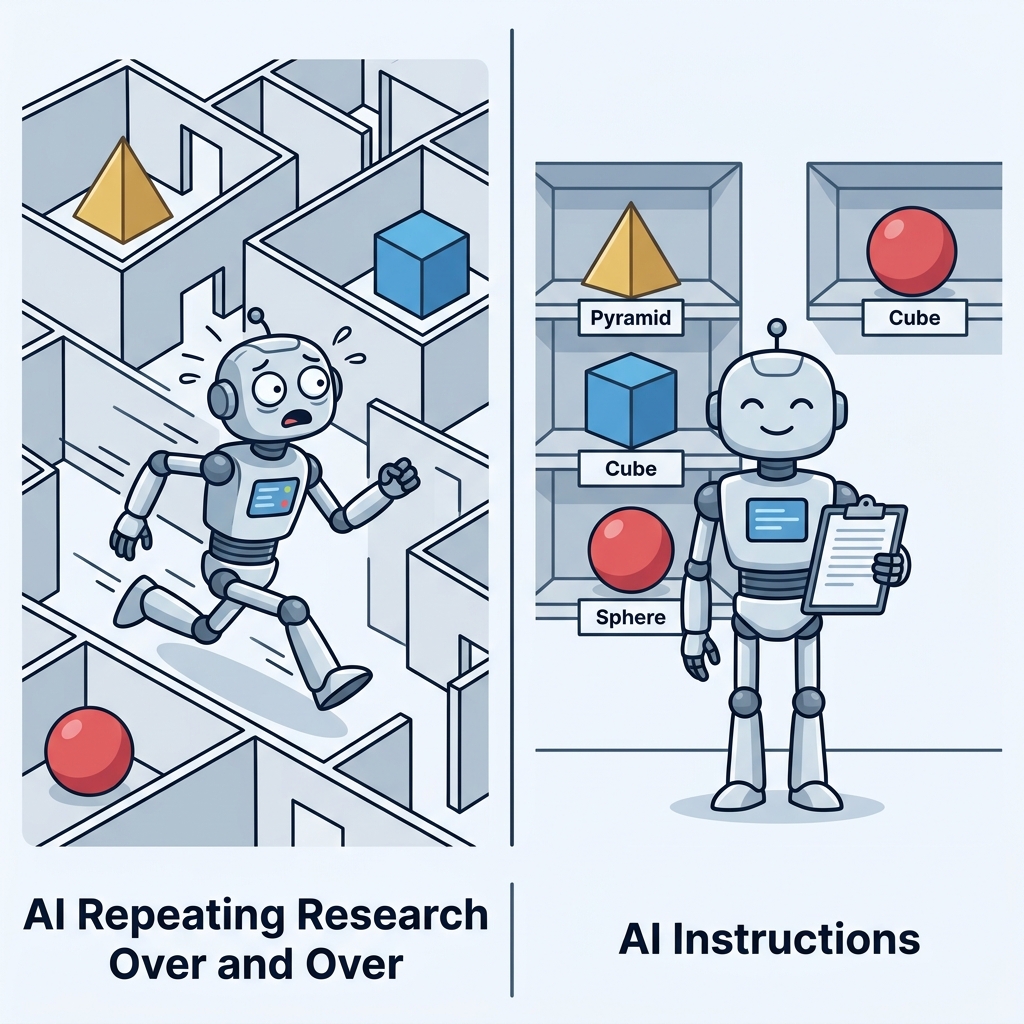
Here is a major productivity hack that has paid dividends for me: write a massive set of instructions for an AI to handle a particular complex task. The alternative is asking an AI agent to do a ton of research each time you want to do something similar. Which approach pays off in the long run?
With the mass-instructions strategy, every mistake you catch the AI making becomes a direct improvement to your instruction set. Fix it once, and you get instant token reduction on every future project. The AI already knows exactly what to do and what to avoid. You are not paying the research cost again and again.
Many people use "workflows/" with their agents — and when you look inside those files... they are tiny! Those are not what I am talking about. I am talking about instructions that represent an entire factory for stamping out similar parts of a larger system. Think of it less like a sticky note and more like a full manufacturing spec sheet: every edge case documented, every known mistake pre-empted, every output format locked down.
Now, do not get me wrong — if a workaround ends up in the instructions and is performed so many times that it is practically standard procedure, it is best to finally fix the underlying issue in the framework itself. But until then, the instruction-set approach wins every time.
#AI
#Productivity
#Instructions -
2026-04-12 The Survival Logic of Selfishness
A thought-provoking conversation with AI about why short-sighted and selfish behaviors persist in society from an evolutionary perspective.
the existence of short sighted and selfish people who only care about their own gain puzzles me since i was a child and i am now 50. how does that contribute towards survivalIt is a profound irony of evolution that traits which seem socially "broken" can be biologically successful. When you look at this through the lens of evolutionary biology and game theory, the persistence of selfishness isn’t a bug in the system—it is a high-risk, high-reward survival strategy.
Here is how those behaviors contribute to "survival," even when they seem counterintuitive to a functional society.
1. The "Free Rider" Strategy
In evolutionary biology, this is often called the Free Rider Problem. In a group where everyone cooperates (hunting together, sharing food, protecting the weak), the group thrives. However, an individual who "cheats"—taking the benefits of the group's protection without contributing their own energy or risking their own safety—often ends up with more resources than the cooperators.The Survival Logic: By expending less energy and taking fewer risks, the selfish individual may have a higher chance of reaching reproductive age and passing on their genes compared to the "hero" who dies protecting the tribe.
2. Game Theory: The Prisoner’s Dilemma
In a single interaction between two people, "betrayal" (selfishness) often yields a higher individual payoff than "cooperation." While long-term survival usually favors those who build reputations for fairness, short-sightedness becomes a survival trait in unstable or high-stress environments.The Survival Logic: If an environment is unpredictable or resources are scarce, "taking what you can get right now" ensures immediate survival. The "long game" only works if you are certain there is a tomorrow. For many, short-sightedness is a defense mechanism against a world they perceive as unreliable.
3. Genetic Diversity and the "Hawk-Dove" Game
Evolutionary stable strategies suggest that a population needs a mix of personalities.
Doves (Cooperators) keep the peace and build infrastructure.
Hawks (Aggressors) compete fiercely for resources.
If a population were 100% "Doves," it would be easily overtaken by a single "Hawk." Therefore, a small percentage of selfish, aggressive individuals naturally persists in the gene pool because they thrive in "soft" environments where everyone else is playing by the rules.4. The "Selfish Gene" Perspective
As Richard Dawkins famously explored, evolution doesn't care about the happiness of the species; it cares about the replication of the gene.The Survival Logic: Selfishness is often a drive to ensure that my offspring and my immediate kin have the best resources, even at the expense of the neighbor’s children. In the brutal arithmetic of prehistoric survival, the person who kept the extra piece of meat for their own child was more likely to see that child survive than the person who gave it away to a stranger.
The Modern Mismatch
The reason this puzzles us so much at age 50—having seen a lifetime of human interaction—is that we now live in a highly interconnected world.In a small tribe, a selfish person would eventually be exiled (a death sentence). In our modern, anonymous "global tribe," selfish people can move from one group to another without facing the social consequences of their reputation. Our biology is still catching up to a world where we can no longer "exile" the short-sighted.
While it is frustrating to witness, these traits exist because, at various points in our history, the "short-term gain" was the difference between life and death.
Does it feel like you're seeing this behavior more in a professional context lately, or is this more of a general observation on how society is moving?
take poor world leaders for exampleWhen we look at world leaders who seem short-sighted or purely self-interested, it feels like a failure of the system. However, from an evolutionary and political science perspective, these "poor" leaders are often employing specific strategies that are remarkably effective for their individual survival, even if they are disastrous for the group.
Here is how that behavior persists at the highest levels of power.
1. The "Dominance" vs. "Prestige" Model
Evolutionary psychology identifies two primary paths to leadership:
Prestige: Leaders who gain power through expertise, wisdom, and sharing resources. (The "Good" Leader).
Dominance: Leaders who gain power through intimidation, coercion, and the control of resources. (The "Selfish" Leader).The Survival Logic: In times of high stress, war, or perceived threat, the human brain is biologically "hardwired" to favor Dominance. We often trade long-term stability for the immediate (short-sighted) promise of strength and protection. A selfish leader thrives by creating or amplifying a sense of crisis, making their "me-first" aggression look like a necessary tool for group survival.
2. The "Selectorate" Theory
In political science, a leader’s survival doesn't depend on the whole population, but on a small group called the Winning Coalition (the generals, the wealthy, or key party officials).The Survival Logic: A "good" leader who spends money on public schools or long-term infrastructure is actually less likely to survive if they don't first pay off their inner circle. A leader who is "selfish" on behalf of their supporters—funneling resources to those who keep them in power while ignoring the rest of the world—is mathematically more likely to stay in office.
3. The Modern "Mismatch"
For most of human history, we lived in groups of about 150 people. If a leader was selfish, the group could use "STOP" mechanisms:
Gossip: To ruin their reputation.
Disobedience: To strip their power.
Exile: To remove them entirely.The Survival Logic: In the modern world, leaders are shielded by layers of bureaucracy, media spin, and distance. The biological "checks and balances" that kept leaders humble in a small tribe don't work in a nation of millions. This allows selfish traits to go unpunished for much longer than they would have on the ancient savanna.
4. Short-Sightedness as a "Scarcity Mindset"
When a leader feels their grip on power is slipping, they often develop tunnel vision. They stop caring about the climate in 20 years or the national debt in 10 years because their "survival" is measured in the next 24 hours.The Survival Logic: Taking a "payday loan" on the country’s future (selling off assets or stripping rights) provides an immediate boost that can help them survive a current coup or election. To them, a long-term disaster they aren't around to see is preferable to a short-term defeat they have to face today.
The Evolution of the "Nice Guy"
Interestingly, recent simulations in game theory show that while selfish leaders can win in the short term, cooperative strategies are actually more stable over centuries. Selfish systems eventually collapse because they destroy the very resources they depend on.Since you've been observing this for decades, have you noticed a shift in how these types of leaders justify their behavior, or does it feel like the same old patterns repeating themselves?
it just doesnt make sense that these selfish people would weaken their own foundations... what about their bank accounts and real estate should the state collapseIt is a logical paradox: why would a person burn down the house they are currently living in? From the outside, it looks like madness. From the perspective of someone obsessed with immediate gain, however, it’s often a calculated—if flawed—gamble on mobility and insulation.
Here is how they justify the risk to their own "foundations."
1. The "Mobile Capital" Illusion
In the modern world, the "foundation" for a wealthy or powerful individual is rarely the ground they stand on. Unlike a medieval king whose wealth was tied to his specific land, modern elites often have de-territorialized wealth.The Logic: If the local economy or state collapses, their wealth is often held in offshore accounts, diversified global stocks, or crypto-assets. They believe they can simply "fly above" the ruins.
The Survival Bet: They assume that as long as somewhere in the world remains stable (Switzerland, Singapore, London), they can just move. To them, the state they lead or live in isn't a "foundation"—it’s a resource extraction site.
2. The "Last One Out" Strategy
This is a classic game theory problem. If a system is failing, the "smart" selfish move isn't to fix it (which is expensive and requires everyone to cooperate); the move is to strip-mine it as fast as possible so you have the most resources to survive the eventual crash.The Logic: "If I don't take this billion dollars, the next guy will. If the state is going to collapse anyway, I’d rather face that collapse with a billion dollars and a private jet than as a patriot with nothing."
The Outcome: This becomes a self-fulfilling prophecy. Their very attempt to "prepare" for the collapse accelerates the collapse.
3. The "Insulated Fortress" (The Citadel Myth)
Many short-sighted leaders and elites believe they can create a "micro-foundation" that survives the macro-collapse. This is why you see:
High-end real estate in "stable" foreign countries.
Private security forces.
Self-sufficient bunkers or estates.The Survival Logic: They believe they can buy their way out of the consequences. They don't need the "foundation" of a functional public road system if they have a helicopter. They don't need a functional public health system if they have a private clinic.
4. Hyper-Discounting the Future
In psychology, temporal discounting is the tendency to perceive a reward as less valuable the further it is in the future.The Logic: A dollar today is worth more to them than a stable country in ten years. They are biologically or psychologically tuned to the "now."
The Survival Failure: This is where the strategy often fails. History is littered with "selfish" elites who thought they were safe, only to find that when the state collapses, their bank codes don't work, their security guards stop taking orders, and their real estate is seized by the new mob.
The Reality Check
The "puzzling" part you feel is your pro-social intuition telling you that we are all in the same boat. You recognize that if the hull of the boat is breached, it doesn't matter how nice your cabin is.Selfish people, however, spend all their time trying to upgrade to a faster lifeboat while everyone else is trying to plug the leak. They assume they will be the ones to get away.
Do you think this mindset is a result of people being disconnected from the "real world" by wealth, or is it just a fundamental personality trait that some are born with?
#Philosophy
#Evolution
#Society -
2026-02-14 Gemini 3 + Antigravity: Designing an HO Scale Cruise Ship Cabin
Using the Google Antigravity IDE and Gemini 3, I designed a 3D-printable cruise ship cabin at HO (1:87) scale. The process was a fantastic showcase of iterative design through natural language.
Can you generate an STL for a typical cruise ship room for an HO scale (1:87) model?Certainly. I'll research the dimensions and build a custom generator script to produce the geometry.Make it recognizable but 3D printable. It needs more detail like the walls, bed, and maybe a window.Refining... I've added an entrance corridor, bathroom block, closet, desk with TV, and a balcony frame.Improved! But the bed should be against the wall, the entry door needs detail, and the bathroom is just a block.Adjusted. Moved the bed flush, added a recessed door detail, and hollowed out the bathroom enclosure.Perfect. Now just add a toilet and a shower stall to the bathroom.Done. Added a shower tray and toilet base/tank. Final STL optimized for FDM printing with 1.6mm wall thickness.

Download the 3D printable model here: cruise_cabin_ho.stl
#HO Scale
#3D Printing
#Gemini 3
#Antigravity -
2026-01-01 ClipSeg Journey
Today I learned about ClipSeg, which understands English and outputs regions of interest! This is further given to an image or video generator to do the final output. There are other ways of providing sections we want generated to the AI but having something more fine-grained than defining ellipses and squares is preferable.

Now we can give this region and the video to the LTX video generator to say I want to replace this section with a fluffy tiger hat.
-
2025-12-31 AntiGravity IDE iterating on LTX
LTX is a video generation model used to take texts, masks, images, videos and produce an AI generated video. I personally am not well versed in all the ML jargon in that space. I am also not well versed in all the incompatibilities of the latest python support libraries for those models. So... Antigravity to the rescue trying to convert the video of me in bunny ears to a video of me wearing a corgi hat. Still going... but amazing progress.

Here is an example of one of the iterations... not quite a corgi, but you can tell AntigravityIDE/gemini3 is really understanding each iteration of the video and how the parameters effect it

Here is iteration 13:

-
2025-12-29 Obsolescence and Dynamic Systems
The advancement of AI and LLM agents has resulted in me deleting entire personal codebases because those tasks are no longer relevant to be done using structure and moving bytes in a predetermined form. We no longer need to fully describe what a journal entry is with minute details like image placements and representative icons. There is still the issue of cost for AI, for sure, but that will go down like 486s in the 90s.

- We used to enter instructions on paper as dots into a punch card reader for a machine the size of a room to implement an algorithm and output a series of dots for the answer.
- We then miniaturized the circuits and started using tape on rolls and disks and in came warehouses of magnetic medium archives!
- With the advent of the transistor on silicon we could finally make the computers small enough to fit in homes and offices in the 80s!
- The 90s showed that computers are really not useful without data and a way to connect them - the web was born - the whole was bigger than the sum of the parts! (The Internet paved the way, but its usage was niche until the Web.)
- We really grew up as data sharing became ubiquitous in the early 2000s. Governments were toppled as they did not advance quick enough to hold the reins.
- And finally now after almost a century of programs and logic put together using our hands... we have something that we can just talk to. This is when individuals like you and I slowly lose our contribution to society.
What is left to do when our ability to learn and contribute is far outstripped by the machines? Spend our days writing idle thoughts? Painting? Sculpting?
Btw this website was completely rewritten and optimized by AI.
#Obsolescence
#Dynamic Systems -
2025-12-23 Antigravity & The Vietnam Story
Using the Google Antigravity IDE, I was able to write a story about how my parents left Vietnam.
I have been wanting to do this for years but kept having false starts here and there... it was just so much work. I did it all in one afternoon complete with fact-checking, image fill-ins, interactive maps, and full translations to Vietnamese and Chinese. Antigravity even fixed my SSL verification and DNS redirect issues. Chuckle.
 btw this journal entry has a scrunched up gallery.. can we make the images square and cropped?Implemented a responsive grid gallery with lightbox functionality.please also review the grammar and flow for the rest of the entriesReviewed all entries, correcting capitalization, spelling (Amazon, Chinese), and sentence flow.i want to add a new journey entry for dec 23...Added timeline event 'Antigravity & The Vietnam Story' with image and deep linking.
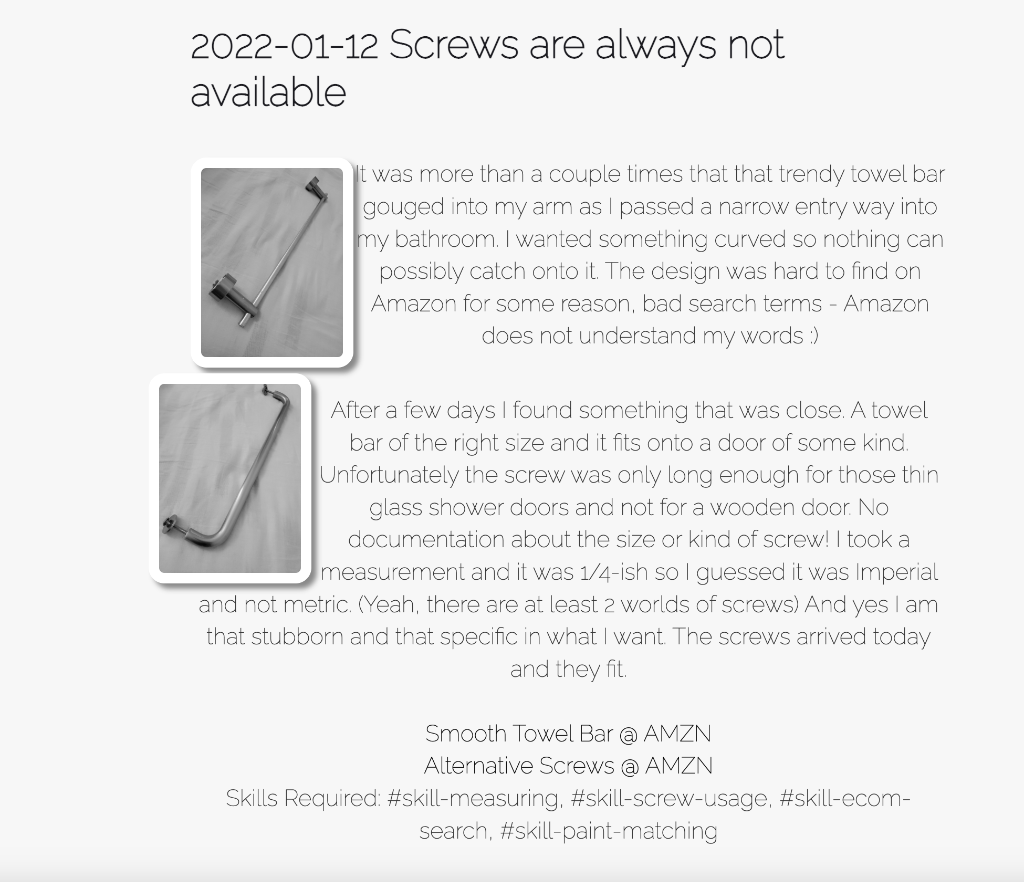 can we fix this journal entry?
Refactored layout to separate images from text blocks, fixing overlapping and wrapping issues.
#Job Loss
#LLM Agents
#Preserve Story -
2022-01-22 When You Age
Telomeres. So they tell us that these caps corking each copy of our DNA eventually wear out per copy... When you get injured, sick, or just undergo regular day-to-day cell recycling. Whatever the reason, cells have to be replenished. I guess it was earlier in our evolution that DNA was forced to adapt favoring those organisms that did not have runaway growth LOL. Today I can have several maladies afflicting me at the same time:
Slow Digestive Tract
Sprained wrist
Epoxy Allergy
Weakened Leg Vein Gates
This is on top of more long term things like hair loss :) and injuries not healing as fast.Anyway, I made a homemade splint out of elastic bandage, velcro, a thick stick to lay across the wrist up to the palm, and a towel to wrap it because it is hard!


-
2022-01-20 Exhausted from Language
When communicating verbally it is common to ask for clarification and re-clarification when the concept being described is not understood. In order to understand the description we have to mentally build the object. If the details being delivered are unclear, trying to futility sets in. When something is THAT complicated, it is best to sit down and draw a picture. You will otherwise never get those hours back again ever. Imagine trying to describe the following in a conversation. Don't!
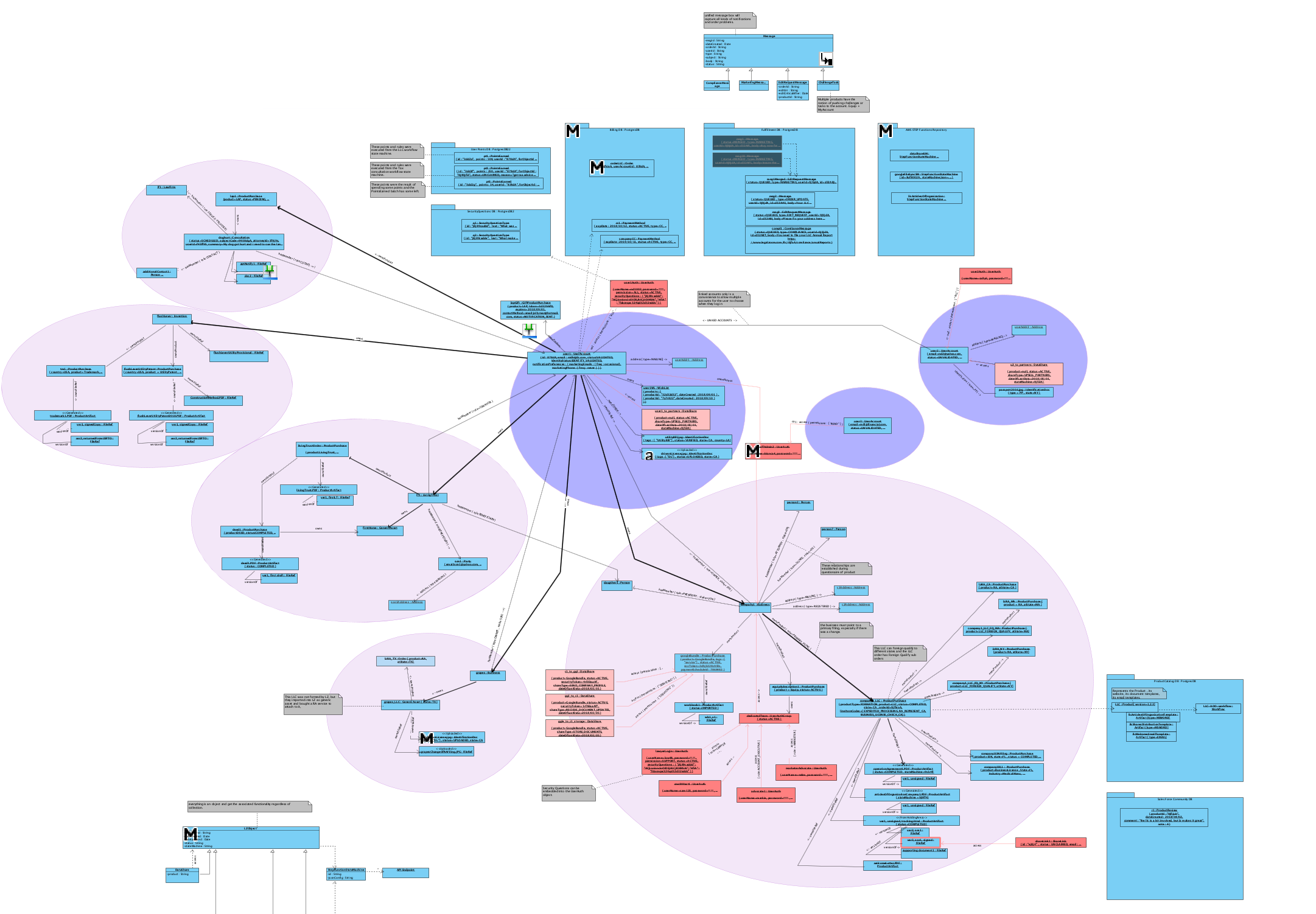
Visual Paradigm Online
Sketch Board
Sketch Board -
2022-01-19 Too Much Code
Most days when I look at other people's code I find parts of it are so beautiful while some of it is so verbose. I think software people should take time and write code for people to read. Unfortunately, prose in code is often lost to deadline pressures.

-
2022-01-16 Etherville Model To Cope
In 2010, I started putting together a really large HO scale model world. It was a means to escape the terrible and scary real world where my father was suffering from health problems.

-
2022-01-15 Secret of the Dizi Flute
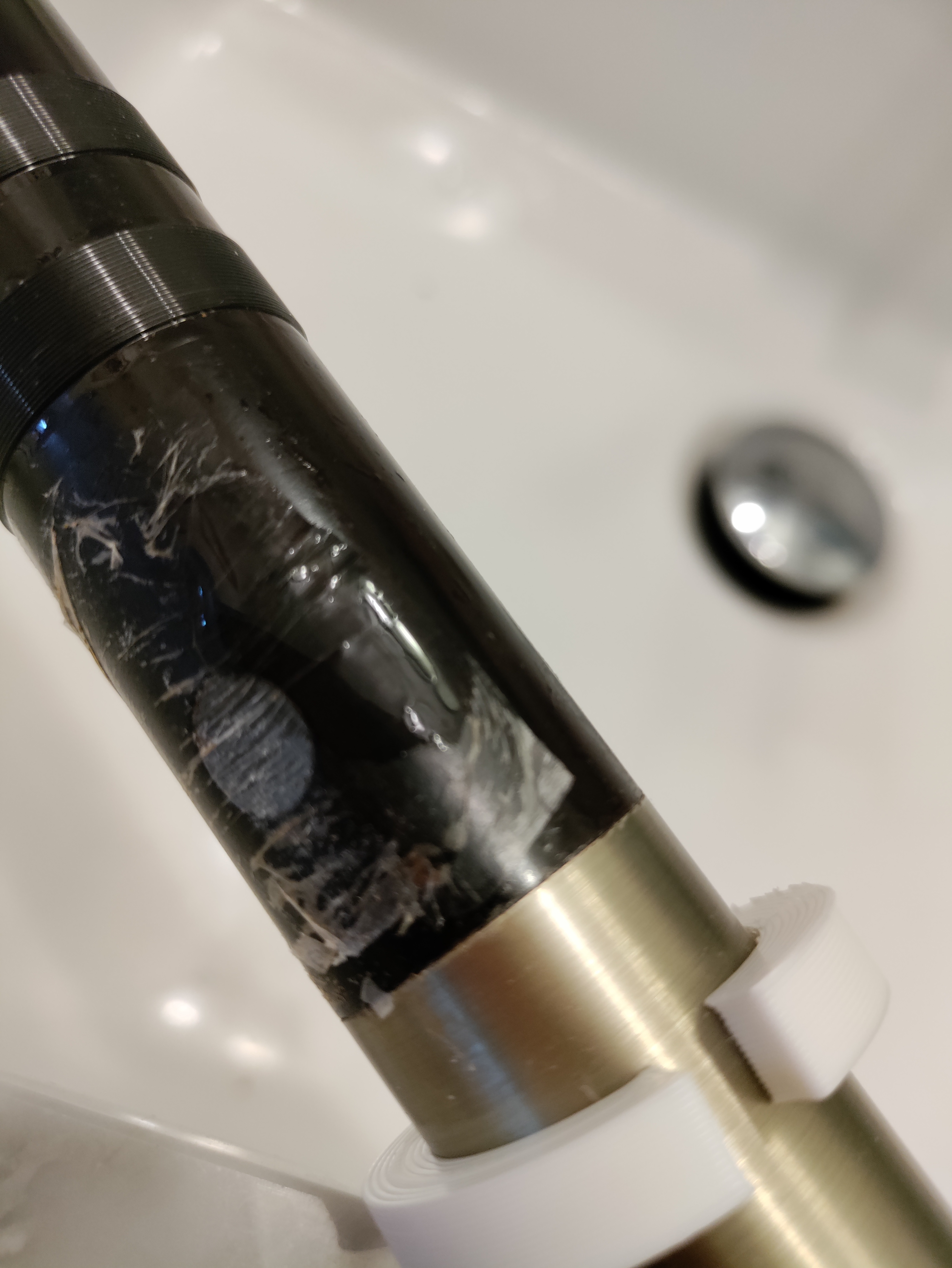
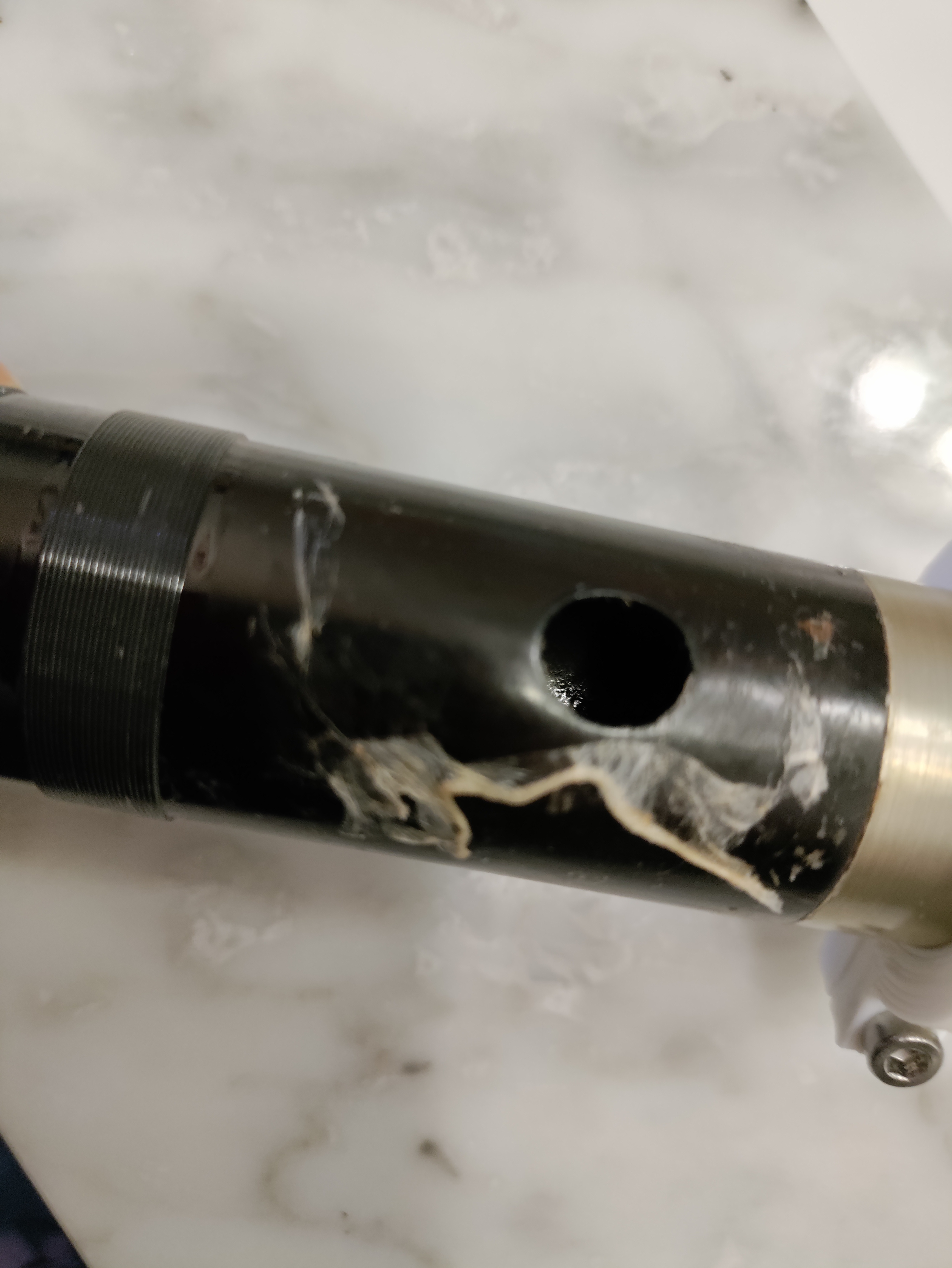
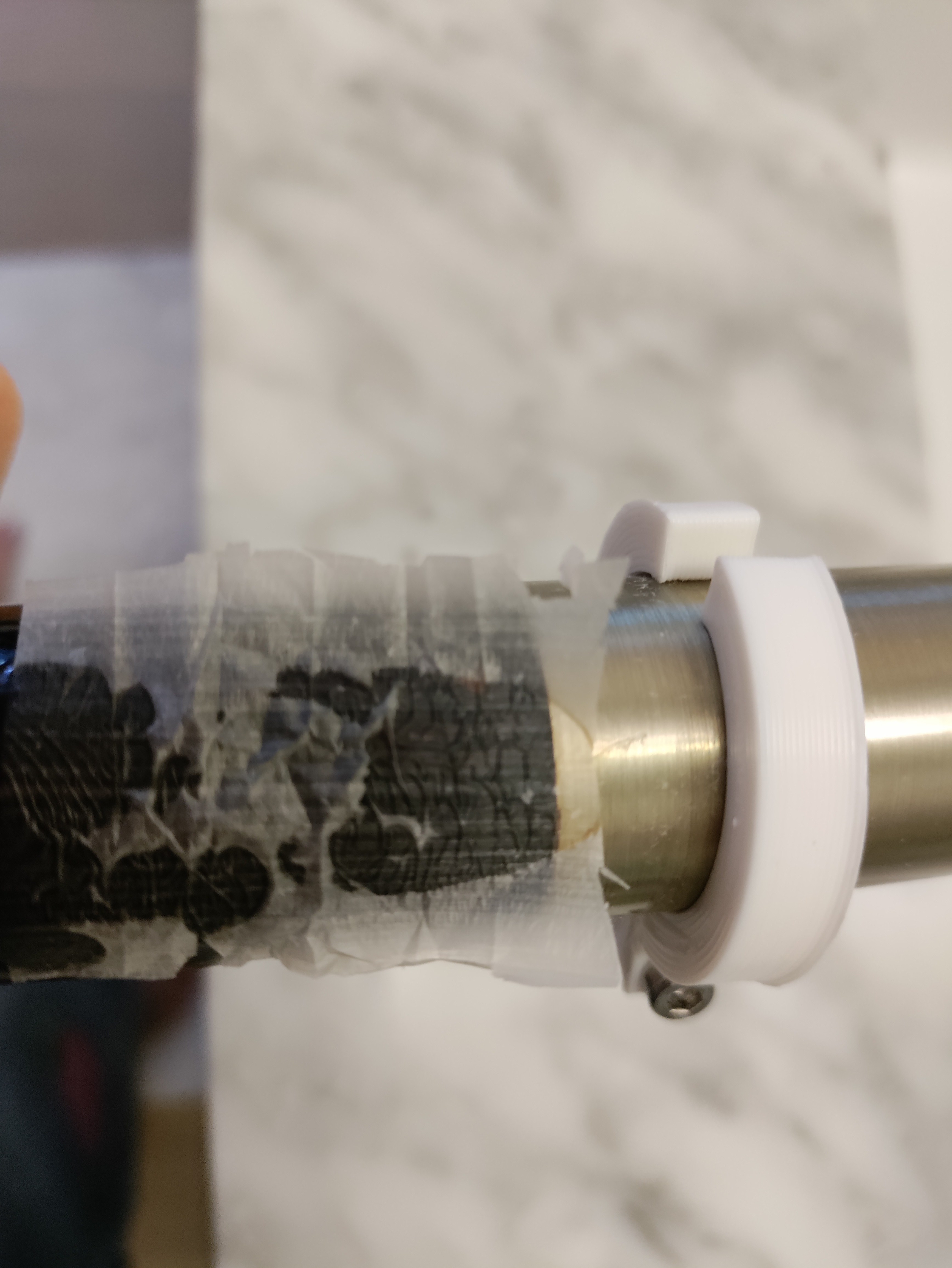
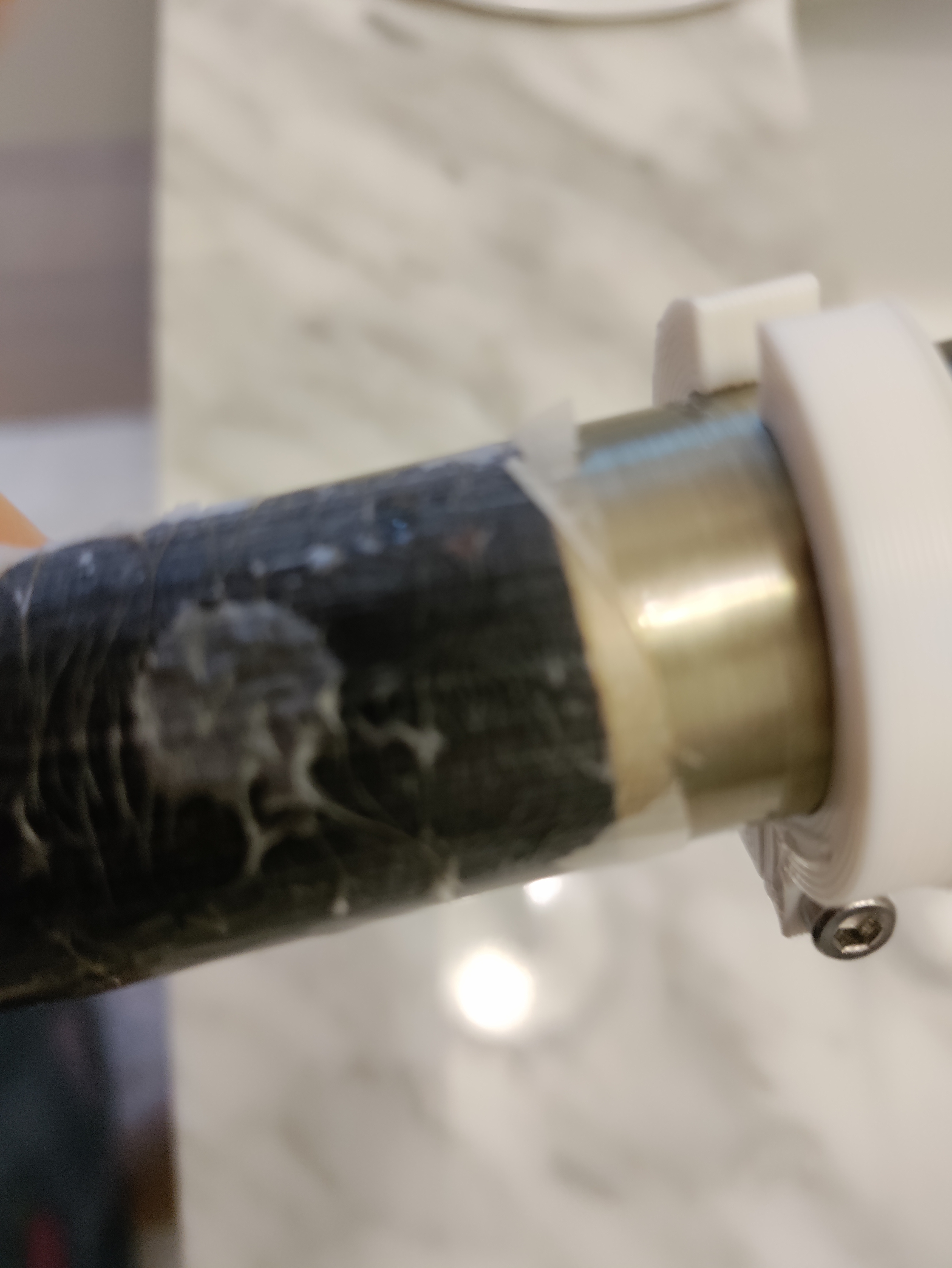
Beginners and non flute players do not appreciate the central role the bamboo membrane plays in the Chinese Dizi flute. It is essential! However many people ignore it or get it wrong.









-
2022-01-14 Beautiful Old Music Now New
Saw this while browsing youtube for classical Chinese music in which to put my flute. This does not quite fit, but it was so incredibly beautiful I had to point it out here. It has taken the concept of a traditional Chinese painting and added acted scenes. The musicians are using all traditional instruments. The production value of the video is very high and the musicians are great at what they do.
-
2022-01-13 How Are you?
It is true, we all struggle to answer that question sincerely. Entire books have been written about how to avoid a faux pas with that answer. I saw this as a reply from a Discord karaoke server I frequent:

-
2022-01-12 Screws are always not available
 It was more than a couple times that that trendy towel bar gouged into my arm
as I passed a narrow entry way into my bathroom. I wanted something
curved so nothing can possibly catch onto it. The design was hard
to find on Amazon for some reason, bad search terms - Amazon does not
understand my words :)
 After a few days I found something that was close.
A towel bar of the right size and it fits onto a door of some kind.
Unfortunately the screw was only long enough for those thin glass
shower doors and not for a wooden door. No documentation about the size
or kind of screw! I took a measurement and it was 1/4-ish so I guessed
it was Imperial and not metric. (Yeah, there are at least 2 worlds of screws)
And yes I am that stubborn and that specific in what I want. The screws
arrived today and they fit.
Smooth Towel Bar @ AMZN
Alternative Screws @ AMZN
#skill-measuring
#skill-screw-usage
#skill-ecom-search
#skill-paint-matching -
2022-01-11 Adapting A Flute
The Chinese Xiao vertical flute is played by pressing the chin onto the top end of the flute and then angling your lips to blow air at a 45° angle over the hole. Doing this too many times scratches the chin! Not Good. Adapter and holder in TPU to the rescue:


Xiao Adapter @ AMZN
Download Fusion 360 File
TPU Filament @ AMZN -
2022-01-10 Fixing a Toy
An aircraft carrier toy was tossed around and of course its more delicate parts will break. It's a toy! I approximated in my mind what a carrier antenna would look like and here is what I came up with:
-
2022-01-09 Frustrated and Feeling Dumb
I tried to find how to make my bash scripts less complicated and take advantage of things I already wrote. I ran into someone explaining how wrapping functions can make things better:
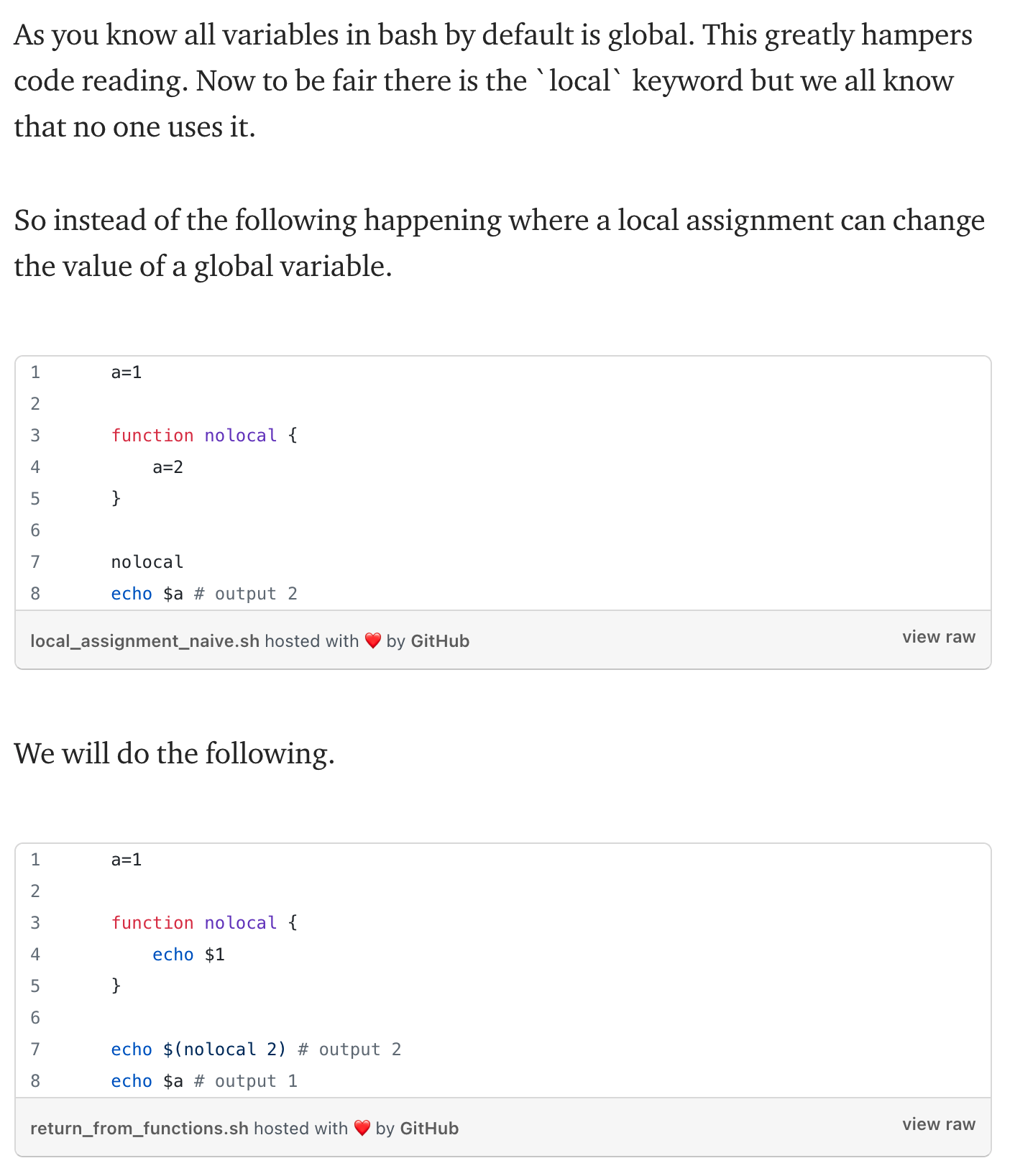 Written by someone with the combination of not being a native
English speaker and not explaining things with sufficient detail.
How does this prevent my large script from inadvertently changing
something global?
#skill-programming
#skill-googling
#skill-teacher